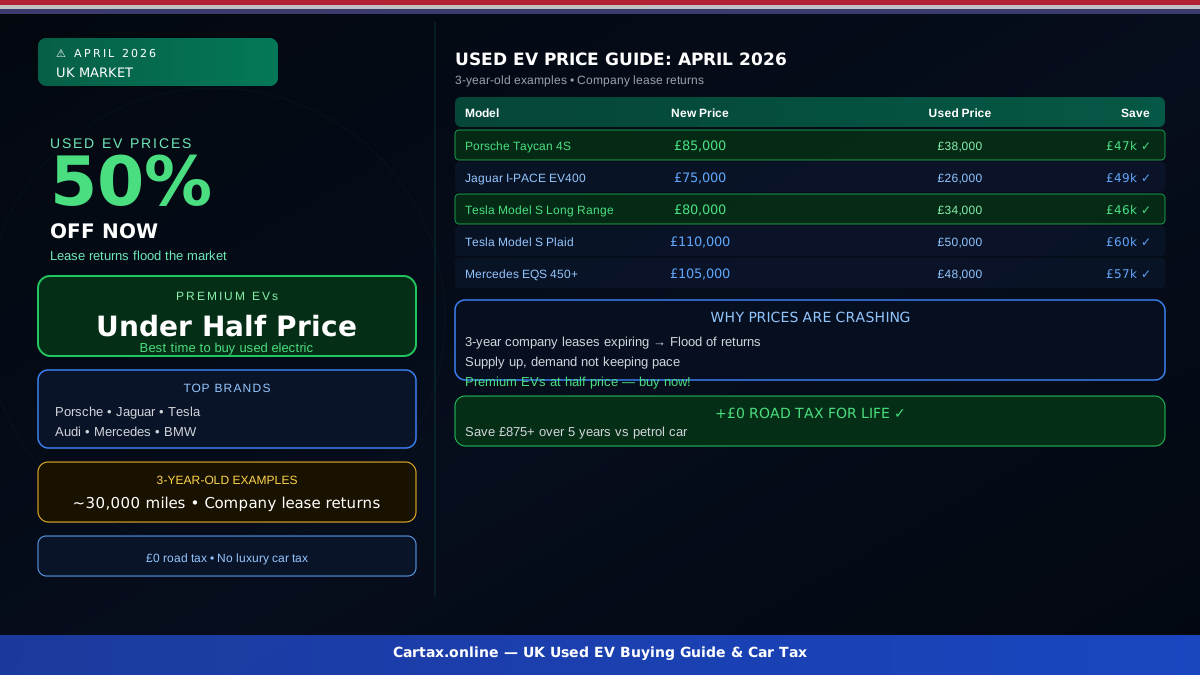
The used electric vehicle market is experiencing a dramatic price correction in April 2026, and for buyers in the United Kingdom, this represents a rare opportunity to own premium electric vehicles at significantly reduced prices. Three-year-old company lease returns are flooding the market, and models that commanded premium prices just months ago are now available at half their original list price. The question is no longer whether to consider a used EV, but which exceptional deal to take advantage of.
Why Used EV Prices Are Crashing Right Now
The timing of this market correction isn't coincidental — it's driven by a perfect storm of corporate leasing cycles and market dynamics. Every major fleet operator in the UK operates on three or four-year lease cycles, and 2026 marks a peak return period for vehicles leased during the 2022-2023 surge in electric company car adoption. The combination of BIK tax incentives pushing employees toward EVs and companies meeting sustainability targets created an unprecedented volume of new electric company cars — and now those leases are expiring.
The Corporate Lease Flood Explained
When a company car lease ends, the vehicle returns to the leasing company, which must then sell it through wholesale auctions or approved used channels. For electric vehicles specifically, the volume hitting the market has overwhelmed demand for several reasons:
- Volume: Thousands of EVs returning simultaneously from multiple major fleets
- Perception: Some buyers remain hesitant about battery health in used EVs
- Choice: New EVs are becoming more affordable, reducing the used market's competitive edge
- BIK changes: Rising BIK rates for electric company cars mean fewer new company EV orders, increasing focus on clearing used stock
The Price Crash: Real Numbers from the Used EV Market
Porsche Taycan: Premium Performance at Half Price
The Porsche Taycan represents one of the most dramatic examples of the current market correction. When new, the Taycan 4S carried a list price of approximately £85,000-£95,000 depending on specification. Three-year-old examples with around 30,000 miles are now selling for £35,000-£42,000 — a reduction of over 50% from original pricing.
The entry-level rear-wheel-drive Taycan, launched at around £75,000, has seen similar percentage drops. Early examples from 2021 are now available from £26,000, though battery health and specification vary significantly in this age bracket. For buyers seeking Porsche quality and electric performance, the current market offers exceptional value.
Jaguar I-PACE: The Best Kept Secret in Premium EVs
Jaguar's I-PACE has always offered exceptional value for money, but the current used market makes it almost impossibly cheap. Originally priced from £70,000, the I-PACE HSE can now be found for £22,000-£28,000 with reasonable mileage. The EV400 S specification, which started at £65,000, is available from £20,000 in decent condition.
The I-PACE remains one of the best-handling electric SUVs available, with genuine sportscar performance and a comfortable interior. Jaguar's commitment to over-the-air software updates means older examples benefit from many of the same features as new models. At current prices, the I-PACE represents perhaps the strongest value proposition in the premium used EV market.
Tesla Model S: Executive Electric at Budget Prices
The Tesla Model S, once the benchmark for electric luxury, has seen significant price depreciation as newer competitors arrive. Pre-facelift examples from 2019-2020 are available from £25,000-£32,000, while the refreshed Model S with the new interior (2021 onwards) starts from around £35,000 for higher-mileage examples.
The long-range and Plaid variants naturally command higher prices, but even these represent substantial savings over original pricing. Tesla's Supercharger network access and the Plaid's sub-2-second 0-60 time make these used examples compelling for performance enthusiasts who might previously have dismissed electric vehicles.
Complete Used EV Price Guide: April 2026
| Model | New Price (2023) | Used Price | Saving | Typical Mileage |
|---|---|---|---|---|
| Porsche Taycan 4S | £85,000 | £35,000-£42,000 | 50-60% | 25,000-40,000 |
| Porsche Taycan RWD | £75,000 | £28,000-£35,000 | 53-63% | 20,000-35,000 |
| Jaguar I-PACE EV400 HSE | £75,000 | £22,000-£30,000 | 60-70% | 20,000-45,000 |
| Jaguar I-PACE EV320 S | £65,000 | £18,000-£24,000 | 63-72% | 25,000-50,000 |
| Tesla Model S Long Range | £80,000 | £30,000-£38,000 | 53-63% | 30,000-50,000 |
| Tesla Model S Plaid | £110,000 | £45,000-£55,000 | 50-60% | 15,000-35,000 |
| Audi e-tron GT | £90,000 | £38,000-£48,000 | 47-58% | 20,000-40,000 |
| Mercedes EQS 450+ | £105,000 | £42,000-£55,000 | 48-60% | 15,000-30,000 |
What to Look for When Buying a Used EV
Battery Health: The Primary Consideration
For any used electric vehicle, battery health is the most critical factor in determining value and future costs. Most EVs retain 80-90% of their original battery capacity after three years of normal use. When evaluating a used EV:
- Request a battery health report: Most manufacturers provide this through their apps or service centres
- Check charging patterns: Vehicles regularly charged to 100% or using excessive fast charging may show faster degradation
- Verify capacity: Compare the current full-charge capacity against the original specification
- Look for warranty: Many manufacturers warranty batteries for 8 years or 100,000 miles
Service History and Maintenance
Company fleet vehicles typically have comprehensive service histories, but it's worth verifying:
- Regular servicing: EVs still require brake fluid changes, cabin air filters, and tyre rotations
- Software updates: Ensure all available updates have been applied
- Charging equipment: Check that the home charging cable and any included adapters are present
- Tyre condition: EVs' instant torque accelerates tyre wear — check tread depth carefully
Specification and Options
With used EVs, specification matters significantly. Company car examples often include premium options that were specified to attract employees:
- Performance packages: Many Taycans and I-PACEs include sports suspension and upgraded brakes
- Technology packages: Premium audio, heads-up displays, and advanced driver assistance
- Comfort features: Heated and ventilated seats, premium upholstery, panoramic roofs
These options can make significant differences to daily enjoyment and resale value, so a higher-priced, better-specified example may offer better long-term value than a cheaper basic model.
Tax Benefits of Owning a Used Electric Vehicle
Road Tax (VED)
One of the significant advantages of used electric vehicles is their complete exemption from Vehicle Excise Duty. Regardless of the vehicle's age or original price, a used EV registered after 2017 pays £0 in annual road tax. This represents ongoing savings compared to petrol or diesel equivalents, which pay standard rates starting from £155 annually.
Luxury Car Supplement
With used EVs selling at their current reduced prices, almost all examples fall well below the £50,000 threshold that triggers the luxury car supplement. A three-year-old Porsche Taycan at £38,000 saves £410 per year in VED compared to a petrol equivalent priced above £50,000.
Company Car Considerations
For business users considering a used electric company car, the BIK implications are important:
- Used EVs have lower P11D values, reducing the BIK tax burden
- A £38,000 used Porsche Taycan at 4% BIK = £1,520 annual benefit (£608 at 40% tax)
- Compare this to a new Taycan at £90,000 at the same 4% rate = £3,600 annual benefit (£1,440 at 40% tax)
- The used example saves £832 per year in BIK tax
Should You Buy Now or Wait?
The current market presents exceptional opportunities, but whether to buy now or wait depends on your circumstances:
Buy Now If:
- You need a car now and can find an excellent example at a reduced price
- You've found a specific model at a price significantly below market value
- Battery health reports confirm the vehicle is in excellent condition
- You're buying for long-term ownership rather than quick resale
Wait If:
- New EV prices are expected to fall further in your target segment
- You're uncertain about battery health on specific models you're considering
- You can extend your current vehicle arrangement while the market stabilises
- Major model updates are coming that might make current examples obsolete
The Bottom Line
April 2026 represents a uniquely favourable time to purchase a used electric vehicle in the United Kingdom. The convergence of expiring corporate leases, rising BIK rates reducing new EV company car orders, and market dynamics has created exceptional value across the premium used EV segment.
For buyers willing to do their research, verify battery health, and move quickly on good examples, the current market offers opportunities that may not recur. Premium performance electric vehicles from Porsche, Jaguar, Tesla, Audi, and Mercedes are available at half their original prices, and the ongoing tax benefits of electric vehicle ownership make the economics compelling.
The key is to approach the market with clear criteria: know your budget, understand the specific model's known issues, verify battery health before purchase, and be prepared to act when an exceptional example appears. The used EV price crash won't last forever — as wholesale markets adjust and demand catches up with supply, prices will stabilise. Now is the time to take advantage of what may be the best buying opportunity for used electric vehicles the UK market has ever seen.