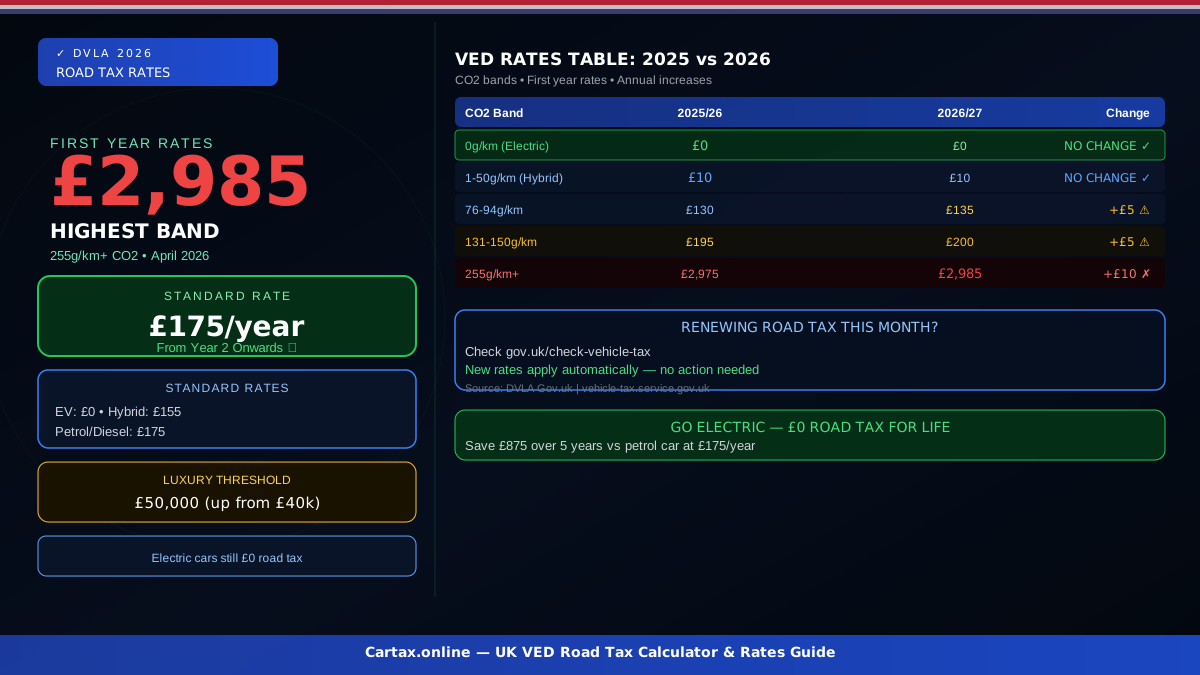
April 2026 brings the annual Vehicle Excise Duty (VED) adjustment, and for drivers renewing their road tax this month, the changes are noticeable. The DVLA has increased first-year rates across most CO2 emission bands, and the standard rate — paid in years two onwards — has also risen. If you're renewing your vehicle tax this week or considering a new car purchase, understanding these changes is essential for accurate budgeting.
The 2026 VED Changes: What Drivers Need to Know
The DVLA adjusts VED rates each year in line with inflation and government policy. For 2026, the increases are moderate but consistent across most bands. High-emission vehicles continue to bear the heaviest burden, with first-year rates reaching nearly £3,000 for the worst offenders, while electric vehicles remain exempt from all standard VED charges.
Understanding which band your vehicle falls into requires knowing its CO2 emissions figure — available on your V5C registration document or the DVLA's online checker. The table below provides the complete picture of 2026 rates for all vehicle categories.
Complete VED Rates Table: April 2026 to April 2027
First-Year Rates (Applicable from April 2026)
| CO2 Emissions | 2025/26 Rate | 2026/27 Rate | Increase |
|---|---|---|---|
| 0g/km (Electric) | £0 | £0 | No change |
| 1-50g/km (Hybrid) | £10 | £10 | No change |
| 51-75g/km | £30 | £30 | No change |
| 76-94g/km | £130 | £135 | +£5 |
| 95-99g/km | £135 | £140 | +£5 |
| 100-110g/km | £150 | £155 | +£5 |
| 111-130g/km | £175 | £180 | +£5 |
| 131-150g/km | £195 | £200 | +£5 |
| 151-165g/km | £240 | £245 | +£5 |
| 166-175g/km | £265 | £270 | +£5 |
| 176-185g/km | £305 | £310 | +£5 |
| 186-200g/km | £355 | £360 | +£5 |
| 201-225g/km | £405 | £410 | +£5 |
| 226-255g/km | £660 | £665 | +£5 |
| Over 255g/km | £2,975 | £2,985 | +£10 |
Standard Annual Rates: From Year Two Onwards
Once through the first year, all vehicles pay a standard annual rate. For April 2026, this standard rate has increased across most bands:
| Vehicle Type | 2025/26 Standard Rate | 2026/27 Standard Rate |
|---|---|---|
| Electric / Zero Emission | £0 | £0 |
| 1-50g/km (Hybrid) | £150 | £155 |
| 51-75g/km | £150 | £155 |
| 76-94g/km | £150 | £155 |
| 95g/km and above (standard) | £165 | £175 |
The standard rate increase from £165 to £175 means most petrol and diesel car owners pay an additional £10 per year on their road tax. While this isn't a dramatic increase, it compounds over the vehicle's lifetime and adds to the total cost of motoring.
Luxury Car Supplement: The £50,000 Threshold
A key development from April 1, 2026 is the increase in the luxury car tax threshold from £40,000 to £50,000. Vehicles priced above this threshold pay an additional £410 per year for the first five years of registration. The threshold applies to the list price of the vehicle when first registered, and vehicles registered on or after April 1, 2026 with a price below £50,000 are exempt from this supplement.
Calculating Total First-Year Cost
For a vehicle above £50,000 list price, the total first-year VED includes both the emission-based first-year rate AND the £410 luxury supplement:
- Example: £52,000 petrol SUV, 180g/km emissions
- First-year rate (180g/km): £360
- Luxury supplement: £410
- Total first-year VED: £770
- Years 2-5: £175/year (standard rate + £410 luxury supplement)
- Total over 5 years: £360 + (£410 × 4) + (£175 × 4) = £2,600
What This Means for Different Vehicle Types
Petrol Family Cars (Typical 120-150g/km)
A standard family hatchback or SUV with emissions around 140g/km pays £200 in year one and £175 annually thereafter. Compared to the previous year, that's an extra £5 in year one and £10 more per year in subsequent years. Over a decade of ownership, this adds approximately £145 to your total road tax bill.
Diesel Vehicles (Typically 110-150g/km)
Diesel cars have historically paid similar VED rates to petrol but face additional considerations from April 2026 onwards. The standard first-year rate applies, but diesel vehicles registered after April 1, 2018 pay a £15 supplement on the standard rate due to the higher NOx emissions factor. This means a diesel car pays £190 annually from year two (£175 standard + £15 diesel supplement).
Plug-in Hybrids (1-50g/km)
Plug-in hybrids benefit from the lower first-year rate of £10. From year two onwards, they pay £155 standard rate plus the £15 diesel supplement if diesel-powered, or just £155 if petrol-hybrid. This makes PHEVs significantly cheaper to tax than conventional vehicles, though the growing preference for fully electric vehicles is reducing the attraction of hybrids.
Electric Vehicles (£0 Road Tax)
Fully electric vehicles continue to enjoy complete exemption from road tax. They pay nothing in the first year and nothing in subsequent years. This benefit has no end date, making electric vehicles the cheapest option for road tax purposes. The savings compared to a petrol car emitting 150g/km are approximately £2,325 over five years (excluding the first-year differential).
Checking Your Vehicle's CO2 Emissions
If you're unsure which VED band your vehicle falls into, the DVLA provides several ways to check:
- Online at gov.uk/check-vehicle-tax: Enter your registration number and the system will show current tax status and CO2 band
- V5C registration document: Section D lists the exact CO2 emissions figure
- Manufacturer's specification: Available on the car's service documentation or the manufacturer's website
Renewing Your Road Tax in April 2026
If you're renewing your road tax this month, the new rates apply automatically. The DVLA's online system and Post Office tax renewal service will show the correct rate based on your vehicle's details. The system is automated, so you don't need to calculate manually — just confirm the figure shown before proceeding with payment.
Payment Methods
- Online at gov.uk/vehicle-tax — most convenient option
- Via phone using credit or debit card
- At a Post Office branch with vehicle logbook (V5C)
- Cheque sent by post to DVLA (slowest option)
Planning Ahead: Electric Vehicle Tax Advantages
With VED rates increasing annually and the standard rate now at £175 for most vehicles, the case for electric vehicles strengthens. Zero road tax, zero emissions, and no luxury car supplement for vehicles under £50,000 make EVs increasingly attractive from a taxation perspective. As the UK moves towards 2030 petrol and diesel sales ban, these advantages are likely to become even more pronounced as ICE vehicle running costs continue to rise.
For current road tax payers, the April 2026 changes represent a modest but steady increase. Budget an extra £10-20 per year depending on your vehicle type, and consider whether an EV upgrade makes financial sense given the ongoing road tax savings.