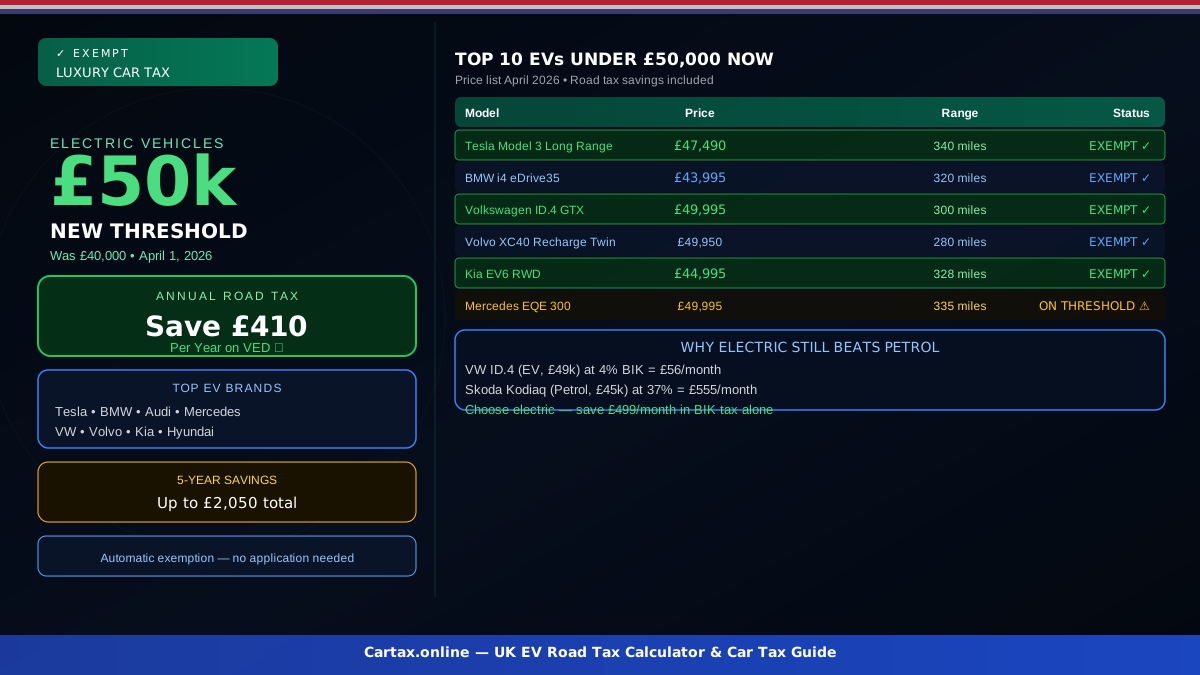
April 2026 marks a significant shift in the UK's Vehicle Excise Duty (VED) luxury car tax threshold, and for electric vehicle buyers, this change opens the door to hundreds of premium models that were previously penalized with an additional £410 annual charge. The threshold increased from £40,000 to £50,000 on April 1, 2026, and this single change transforms the economics of buying a mid-range electric vehicle.
The £50,000 Threshold Change: What It Means for EV Buyers
Before April 2026, any car priced above £40,000 attracted an additional VED rate of £325 per year for five years, adding £1,625 to the total cost of road tax over that period. For electric vehicles priced between £40,000 and £50,000, this was an unnecessary burden — many EV buyers chose these models specifically for their environmental benefits, only to face a tax penalty for the vehicle's price point rather than its emissions.
The government's decision to raise the threshold to £50,000 acknowledges that electric vehicle prices have evolved. What was considered a premium electric car in 2020 is now firmly in the mainstream market, and the tax system needed to reflect this reality. As of April 2026, any car priced below £50,000 pays only standard VED rates, with no additional luxury supplement.
Why This Matters for Electric Vehicle Choice
The timing is particularly significant because the electric vehicle market in the United Kingdom has reached a pricing point where many popular models now fall within the new threshold. From family SUVs to executive sedans, the £40,000-£50,000 bracket is packed with capable electric vehicles that previously carried the luxury car tax burden.
The Financial Impact in Real Terms
For a buyer choosing an electric car priced at £48,000, the savings are immediate and substantial:
- VED before April 2026: £175 standard rate + £325 additional rate = £500/year
- VED from April 2026: £175 standard rate only = £175/year
- Annual saving: £325 (not £410, as the first-year rate varies by emissions)
- Five-year total saving: £1,625
This saving applies to every year of the vehicle's life within the first five-year VED cycle, and the benefit continues as the vehicle changes hands — each new owner gets a fresh five-year assessment at the same rates.
Top 10 Electric Vehicles Now Under the £50,000 Threshold
1. Tesla Model 3 Long Range — £47,490
The Tesla Model 3 Long Range represents exceptional value at its price point. With a real-world range of approximately 340 miles, supercharger network access, and strong residual values, the Long Range variant strikes a balance between capability and cost. At £47,490, it sits comfortably under the threshold with £2,510 to spare for optional extras without triggering the luxury supplement.
2. BMW i4 eDrive35 — £43,995
BMW's electric sedan brings the brand's characteristic driving dynamics to the EV world. The i4 eDrive35 offers a 320-mile range and the interior quality expected from a BMW. At £43,995, it's well under the threshold, making the combination of premium brand, electric powertrain, and tax savings particularly attractive.
3. Volkswagen ID.4 GTX — £49,995
The performance-oriented ID.4 GTX sits at the very edge of the £50,000 threshold. With dual motors providing all-wheel drive, 299 horsepower, and VW's proven MEB platform, the GTX balances practicality with genuine performance. Its price positioning makes it one of the most compelling performance EVs under the new threshold.
4. Volvo XC40 Recharge Twin Motor — £49,950
Volvo's compact electric SUV combines Scandinavian design with practical electric motoring. The Twin Motor variant offers all-wheel drive and 408 horsepower, making it one of the quicker compact electric SUVs available. At just £50 under the threshold, it represents excellent value for a premium-badged electric vehicle.
5. Kia EV6 RWD — £44,995
The Kia EV6 rear-wheel drive variant offers an impressive 328-mile range from its 77.4kWh battery. The car's 800V architecture enables ultra-fast charging, reaching 10-80% in just 18 minutes. At £44,995, the EV6 delivers premium electric motoring without the premium price tag, and well within the new threshold.
6. Hyundai IONIQ 6 RWD — £46,950
Hyundai's aerodynamic electric sedan offers a 338-mile range from its 77.4kWh battery. The distinctive design isn't just for looks — the drag coefficient of 0.21 makes it one of the most aerodynamically efficient production cars available. At £46,950, the IONIQ 6 sits comfortably under the threshold with room for specification choices.
7. Polestar 2 Long Range Single Motor — £45,900
Polestar's second model brings Volvo engineering to a more affordable price point. The single-motor long-range variant offers 395 miles of official range and a minimalist Swedish interior. At £45,900, it represents a compelling alternative to the more mainstream options, with the bonus of falling well under the new threshold.
8. Skoda Enyaq 85 — £41,000
Skoda's electric SUV offers maximum value at the lower end of the premium segment. The Enyaq 85 delivers a 347-mile range in a practical, family-friendly package. At £41,000, it's one of the most affordable electric vehicles in this list while still offering the quality and capability expected from the Volkswagen Group.
9. Audi Q4 e-tron 45 — £47,600
Audi's compact electric SUV brings premium build quality and familiar Audi interior design to the electric segment. The Q4 e-tron 45 offers a 310-mile range and the practical five-seat layout that families need. At £47,600, it represents solid value for buyers who prioritise brand and build quality.
10. Mercedes EQE 300 — £49,995
The Mercedes EQE represents the brand's electric executive sedan, offering a compelling alternative to the conventional E-Class. With a 335-mile range and the brand's latest interior technology, the EQE 300 delivers Mercedes' signature quality at a price that now falls under the new threshold. This is a significant development for buyers seeking luxury electric motoring.
How to Verify Your Vehicle's Tax Status
Checking VED Status Online
The DVLA's online tool at gov.uk/check-vehicle-tax allows you to verify your current vehicle's tax status using the registration number. This is particularly useful if you've recently purchased a vehicle or are considering a used EV purchase where understanding the tax implications matters.
For New Vehicle Purchases
When ordering a new electric vehicle, the dealership will handle the first registration and ensure the correct VED rates are applied based on the list price. The exemption for vehicles under £50,000 applies automatically — no additional paperwork or application is required. Your VED certificate will simply show the standard rate for your vehicle's emissions category.
Comparing VED Costs: Before and After the £50,000 Threshold
| Vehicle Price | Previous VED (£40k threshold) | Current VED (£50k threshold) | Annual Saving |
|---|---|---|---|
| £38,000 (e.g., VW ID.4) | £175/year (no additional) | £175/year | No change |
| £45,000 (e.g., BMW i4) | £500/year (additional £325) | £175/year | £325/year ✓ |
| £49,000 (e.g., Audi Q4) | £500/year (additional £325) | £175/year | £325/year ✓ |
| £52,000 (above new threshold) | £500/year (additional £325) | £500/year (additional £325) | No change |
Strategic Considerations for EV Buyers
What the Threshold Change Signals
The £50,000 threshold increase signals the government's recognition that electric vehicles are becoming mainstream. By aligning the luxury car tax threshold with current market pricing, the government acknowledges that many popular EVs are no longer ultra-premium products but practical choices for everyday drivers.
Is Now the Right Time to Buy?
For buyers in the market for an electric vehicle priced between £40,000 and £50,000, the current window offers exceptional value. Not only do you benefit from the VED threshold increase, but you're also buying at a point where electric vehicle technology is mature, charging infrastructure is robust, and manufacturer support networks are well-established.
The Road Ahead: Will the Threshold Keep Rising?
Historical precedent suggests the threshold may increase again in future years as vehicle prices continue to evolve. The previous threshold of £40,000 had been in place since 2009, so the jump to £50,000 represents a significant shift. As electric vehicle prices continue to decline and more models enter the mainstream market, further threshold adjustments may follow.
For now, the £50,000 threshold represents a clear boundary that hundreds of popular electric vehicles sit comfortably under. Whether you're looking for a family SUV, an executive sedan, or a performance hatchback, the current market offers more options under £50,000 than ever before — and the tax savings make the economics even more compelling.