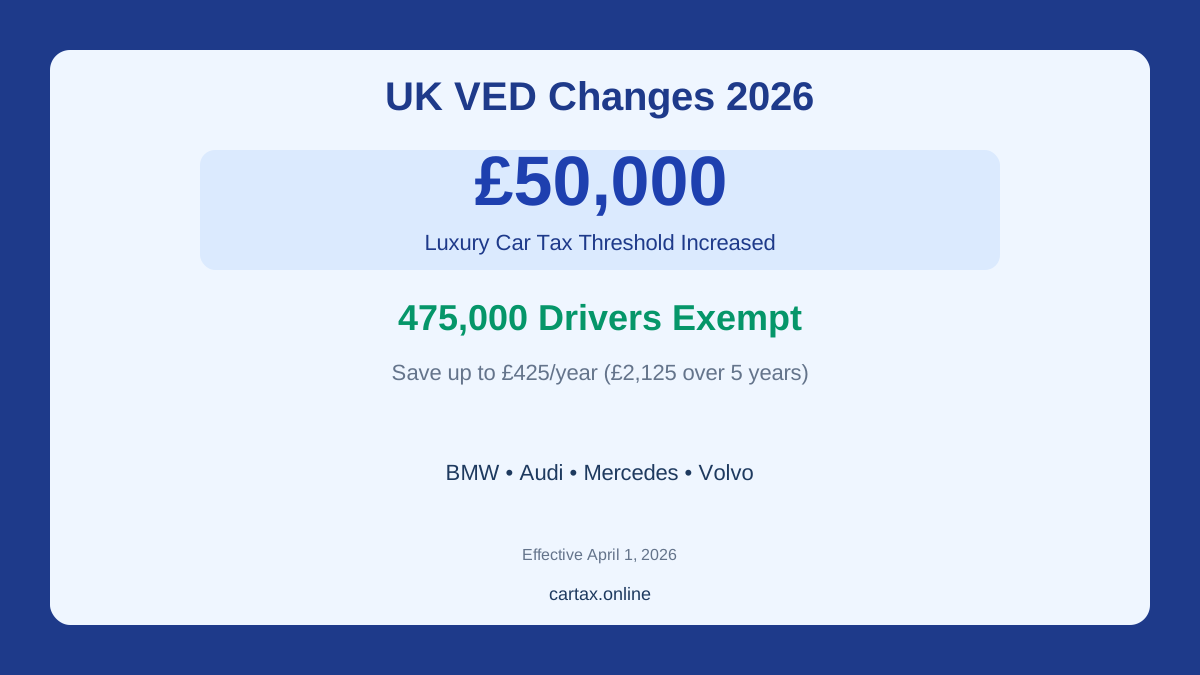
The £50,000 Shield has arrived. From April 1, 2026, the UK Vehicle Excise Duty (VED) luxury car threshold has increased from £40,000 to £50,000, exempting hundreds of thousands of drivers from the additional rate tax that added up to £425 annually to their road tax bills.
The £50k Shield: What Changed on April 1, 2026
HM Revenue & Customs announced the VED reform as part of the broader automotive taxation review. The change aligns the luxury car threshold with current vehicle pricing trends, recognizing that many popular premium models now fall into price brackets that previously attracted luxury car taxation.
Previous Rules (£40,000 Threshold)
- Cars priced over £40,000 paid standard VED + additional rate
- Additional rate: £325 per year for 5 years
- Total additional cost: £1,625 over the first 5 years
- Affecting models priced between £40,001 and £60,000
New Rules (£50,000 Threshold)
- Cars priced under £50,000 now pay only standard VED
- Additional rate eliminated for vehicles in this bracket
- Savings of up to £425 per year (£2,125 over 5 years)
- Approximately 475,000 drivers benefit from this change
Which BMW, Audi, and Mercedes Models Are Now Exempt?
The £50,000 threshold brings many popular premium models into the standard VED bracket. Here are models that benefit:
BMW Models
- BMW X1 xDrive20d: Starting around £38,000 — now well under threshold
- BMW X2 sDrive18d: From £36,000 — significant savings
- BMW 3 Series (selected variants): Many models from £38,000
- BMW iX1: Electric SUV from £44,000 — exempt
Audi Models
- Audi Q3 TFSIe: Plug-in hybrid from £35,000
- Audi A4 (selected variants): From £37,000
- Audi Q5 (selected variants): Many models from £42,000
- Audi A1 Sportback: From £20,000 — always exempt
Mercedes Models
- Mercedes A-Class: From £30,000 — well under threshold
- Mercedes CLA: From £35,000
- Mercedes GLA: Selected variants from £40,000
- Mercedes EQA: Electric from £45,000 — borderline but under
Calculating Your VED Savings
Here's how the savings break down for different vehicle types:
Example 1: Audi Q5 40 TDI S Line (£45,000)
- Previous annual VED: £175 (standard) + £325 (additional rate) = £500
- New annual VED: £175 (standard only)
- Annual savings: £325
- 5-year savings: £1,625
Example 2: BMW X3 xDrive20d (£48,000)
- Previous annual VED: £190 + £325 = £515
- New annual VED: £190
- Annual savings: £325
- 5-year savings: £1,625
Example 3: Volvo XC60 B5 AWD (£43,000)
- Previous annual VED: £180 + £325 = £505
- New annual VED: £180
- Annual savings: £325
- 5-year savings: £1,625
Standard VED Rates 2026
For reference, standard VED rates for first-year and subsequent years:
- Electric vehicles (0g/km): £0 for standard rate
- 1-50g/km (hybrid): First year: £10, then £155/year
- 51-75g/km: First year: £30, then £155/year
- 76-94g/km: First year: £135, then £155/year
- 95-99g/km: First year: £140, then £155/year
- 100-110g/km: First year: £155, then £155/year
- 111-130g/km: First year: £180, then £155/year
- 131-150g/km: First year: £200, then £155/year
Vehicles Still Above the Threshold
Some premium vehicles still attract the additional rate. These include:
- BMW X5 xDrive30d: From £55,000
- Audi Q7 45 TDI: From £55,000
- Mercedes GLE Coupé: From £60,000
- Porsche Cayenne: From £65,000
- Range Rover Sport: From £68,000
- BMW 7 Series: From £70,000
- Mercedes S-Class: From £75,000
Is Your Car on the Exempt List?
To check if your vehicle qualifies for the new threshold:
- Check your vehicle's list price: Use the price when first registered
- Compare to £50,000: If under, you qualify for standard rate only
- Check DVLA records: Visit gov.uk/check-vehicle-tax to verify your VED status
- Contact DVLA if incorrect: If you're being charged more than应有的, raise a dispute
Impact on EV Market
The VED changes also affect electric vehicle considerations:
- EVs already exempt from standard VED — no change to zero-emission vehicle treatment
- PHEV consideration: Plug-in hybrids under £50,000 now more competitive vs pure EVs
- Used car market: Vehicles previously in the £40,000-£50,000 bracket may see price adjustments
Looking Ahead
The VED threshold increase reflects the changing landscape of vehicle pricing. As premium features become standard and EV prices decline, more vehicles naturally fall below luxury thresholds. This trend is expected to continue, with potential future reviews of the £50,000 benchmark.
For current and prospective car buyers, this change makes premium SUVs and executive cars more affordable to tax. If you're considering a BMW X1, Audi Q5, or Mercedes GLA, the VED savings are an added bonus to their already competitive pricing.