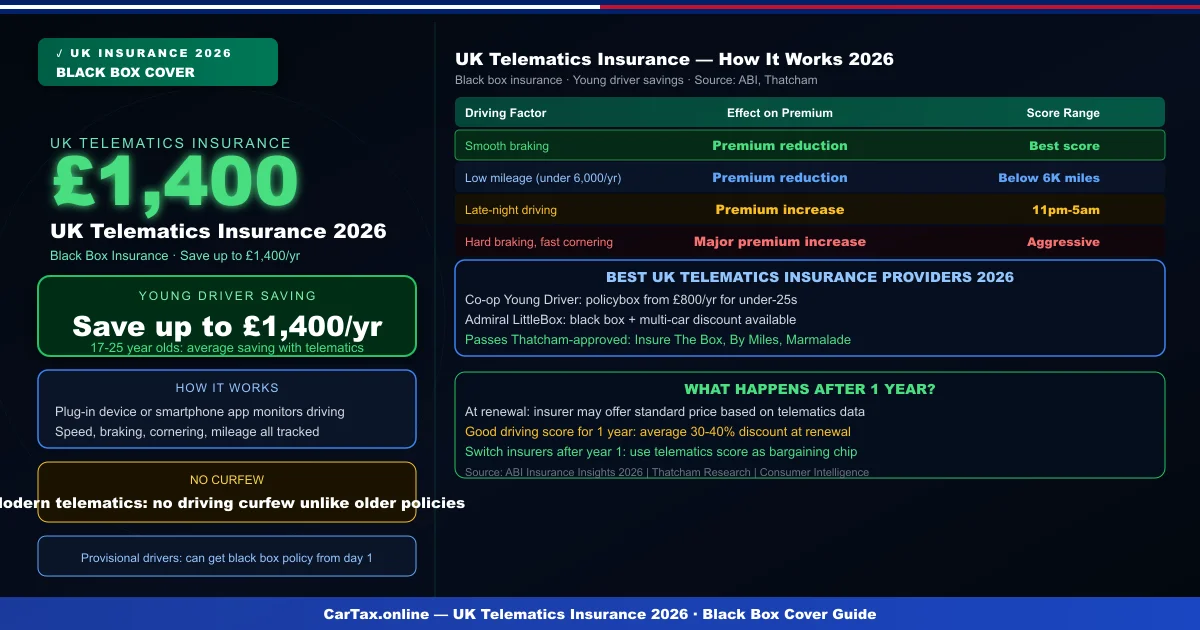
Telematics insurance, also known as black box insurance, represents one of the most significant changes to how UK drivers purchase and manage their motor cover. Rather than pricing policies solely on broad demographic data, insurers use a small device or smartphone app to monitor actual driving behaviour in real time.
UK drivers face a wide range of tax obligations that apply from the moment a vehicle is purchased through to its entire lifespan on British roads. Understanding how UK car tax works in 2026 is essential for budgeting, legal compliance, and making informed decisions about vehicle purchases. Whether you drive a petrol hatchback, a diesel SUV, or a pure electric vehicle, the tax rules affect your wallet directly.
## How Does UK Car Tax Work in 2026?
The primary form of car tax in the United Kingdom is Vehicle Excise Duty (VED), commonly called road tax even though the Road Fund it was originally tied to was abolished in 1937. VED is an annual charge applied to most vehicles registered for use on public roads. The amount you pay depends on several factors including the vehicle type, its CO2 emissions at the point of first registration, its list price, and whether it qualifies for any exemptions.
The standard rate for most cars registered after April 2018 is £190 per year from year two onwards. The first-year rate is calculated based on official CO2 emission grades, ranging from £0 for zero-emission vehicles to £2,605 for the highest-emitting cars. Pure electric vehicles enjoy a significant advantage, paying nothing for the first five years of registration. This makes choosing an electric car one of the most effective ways to reduce motoring costs in the long term.
Different rules apply to other vehicle categories. Motorcycles fall into their own VED bands based on engine size, with rates starting as low as £21 per year for machines under 150cc. Vans are taxed separately from cars, with light goods vehicles currently paying £320 per year. Larger goods vehicles over 3.5 tonnes gross weight are classified as heavy goods vehicles and face different rates including the HGV Road User Levy.
### What Factors Do Telematics Insurers Track?
The data collected by black box insurance policies typically includes several key metrics. Speed behaviour is monitored continuously, with insurers flagging instances of excessive speed or sustained high-velocity driving on motorways. Braking patterns are another critical factor, with harsh or late braking events being recorded as indicators of distracted or aggressive driving.
Time of day matters significantly in telematics scoring. Driving during late-night hours between 11pm and 5am statistically correlates with higher accident rates, so drivers who log significant night-time miles typically face higher premiums. Cornering behaviour, acceleration patterns, and total annual mileage are all factored into the insurer's assessment of driver risk.
The good news for careful drivers is that these factors all work in your favour if you drive smoothly, avoid peak accident-risk times, and keep annual mileage reasonable. Many insurers offer loyalty bonuses, rewarding safe drivers with renewal discounts of 10 to 30 percent on top of initial savings.
### Who Benefits Most from Telematics Insurance?
Young drivers aged 17 to 25 face the highest standard premiums, with average costs often exceeding £1,500 per year for new drivers. For this group, telematics policies can be transformative. A 17-year-old with a clean record who passes their test and immediately takes out a telematics policy can potentially reduce their annual premium by £500 to £1,000 or more.
Occasional drivers who cover fewer than 5,000 miles per year can also benefit substantially. Standard insurers have no way to account for genuinely low annual mileage in most cases, but a telematics policy tracks your actual odometer readings and can reflect that reduced exposure to risk.
Business drivers who use company vehicles or have complex driving patterns sometimes find telematics policies more accurately reflect their risk profile than traditional policies that treat all annual mileage equally.
## Frequently Asked Questions
**Is telematics insurance worth it for over-25s?**
Yes. While the savings are most dramatic for young drivers, careful drivers of any age can benefit. Insurers including Admiral, Co-op, and Insure The Box all offer telematics options to drivers over 25.
**Can you remove the black box from your car?**
The physical device is usually installed in an unobtrusive location by a professional. Most policies require the box to remain fitted for the full policy term. Attempting to remove it may invalidate your policy.
**Does telematics insurance affect your no-claims bonus?**
No. Completing a telematics policy without incidents protects your no-claims bonus just like a standard policy. Some providers even offer enhanced no-claims protection as an additional reward for consistently safe driving.
**How long does a telematics policy last?**
Policies typically run for 12 months like standard motor insurance. At renewal, your insurer reviews the driving data collected and sets a new premium reflecting your actual driving record.
Disclaimer: CarTax.online provides general information for guidance purposes only. Tax rules and rates are subject to change. Always verify current rates with gov.uk or HMRC before making financial decisions. This guide was last reviewed in 2026.
Frequently Asked Questions
Q: How much is car tax (VED) in the UK 2026?
Car tax rates in the UK depend on your vehicle's CO2 emissions and list price. Standard rates start from £190 per year for petrol and diesel cars, with zero-rated VED for EVs. First-year rates vary from £0 to £2,605 depending on emissions. Additional premiums apply for vehicles over £40,000.
Q: How do I check if my car is taxed online?
You can check your vehicle's tax status for free on the Gov.uk website at gov.uk/check-vehicle-tax. You'll need your vehicle's registration number (number plate). You can also check via the Motor Insurance Database to verify road tax and insurance status simultaneously.
Q: Can I get a refund on car tax if I sell my vehicle?
Yes — if you sell or scrap your vehicle, you can claim a refund on any full months of remaining road tax. Contact DVLA with the V11 reminder letter or apply online at gov.uk. Refunds are usually processed within 4-6 weeks. Related: Auto Insurance Uk | Black Box Insurance UK 2026 | Car GAP Insurance UK 2026 | UK Car Insurance 2026.
Q: Is road tax refund available when transferring ownership?
No — road tax does not transfer with the vehicle. When you sell your car, the tax is automatically cancelled and any remaining months are refunded to you by DVLA. The new owner must tax the vehicle immediately. As a buyer, always verify the vehicle's tax status before purchasing.
Q: What is the luxury car tax threshold in the UK 2026?
The additional rate for vehicles over £40,000 (list price) adds £410 per year to standard VED rates for years 2-6 of registration. This surcharge brings the annual cost for high-emission vehicles over £40,000 to around £600-690 per year. Pure EVs under £40,000 pay zero VED.
⚠ Financial & Legal Disclaimer
All information provided in this article is for educational and informational purposes only. The content is synthesized based on verbal communications, extensive internet research, and official government website data as of the date of publishing. Tax laws and insurance policies are subject to frequent changes by the authorities. We strive for accuracy, but we recommend that you consult a qualified professional (CA, CPA, or Tax Consultant) before making any financial decisions. For personalized assistance, you can also connect with our in-house experts through our Contact Us page.
Ready to calculate your car tax?
Use our free calculator to get an instant, accurate estimate for your country and state.
Open Car Tax Calculator →