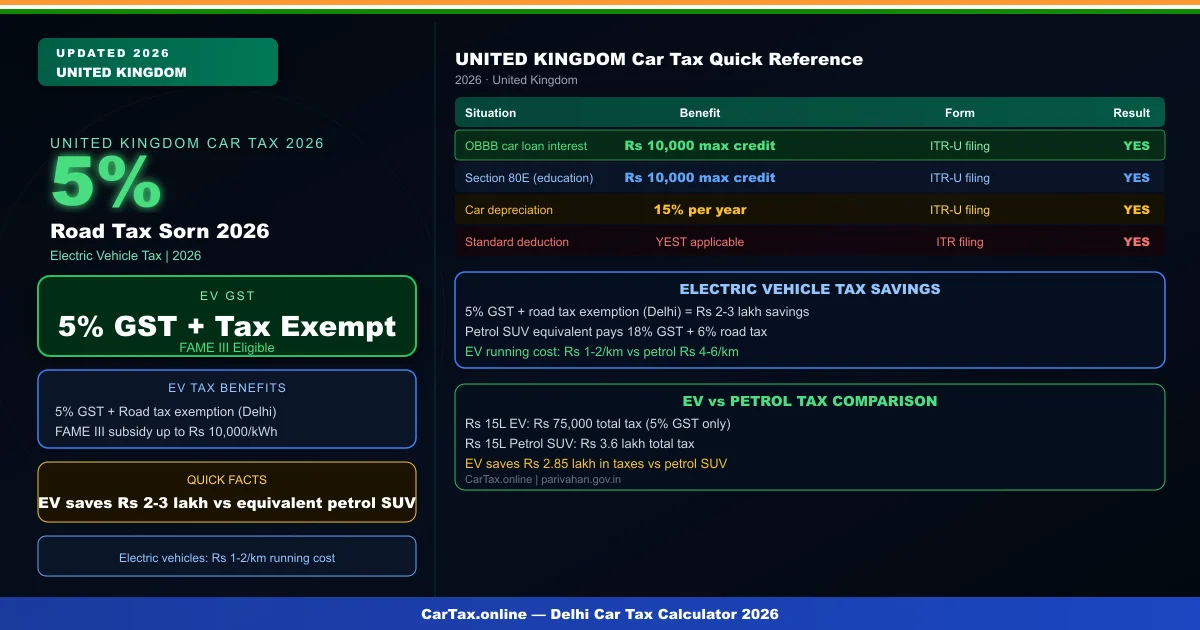
A Statutory Off Road Notification (SORN) is one of the most useful provisions in the UK road tax system, allowing vehicle owners to legally keep a vehicle off public roads without paying road tax. Whether you are storing a classic car over winter, restoring a project vehicle, or taking a break from driving, understanding how SORN works is essential. This guide covers the complete SORN rules for 2026.
What is a SORN?
A Statutory Off Road Notification is a legal declaration to DVLA that a vehicle is kept off public roads. While a SORN is active, the vehicle is exempt from road tax — no VED is payable. A SORN can only be declared for a vehicle that is genuinely kept off all public roads, including any road that the public have access to. This includes: roads, streets, car parks, driveways shared with other properties, and any other area accessible to the public. The vehicle must be kept on private land — ideally in a garage, on a private driveway, or within a secure compound.
How to make a SORN
A SORN can be declared online via the DVLA vehicle tax service at check-vehicle-tax.service.gov.uk — this is the fastest method and the SORN takes effect immediately upon declaration. Alternatively, complete form V11 (Statutory Off Road Notification) and send it to DVLA, Swansea, SA99 1AD. When making a SORN, you will need: your vehicle registration mark (number plate); your V5C reference number (found on your log book). Once declared, the SORN takes effect immediately — no further action is required. DVLA will update the vehicle's record to show it is taxed.
How long does a SORN last?
A SORN does not expire automatically — it lasts indefinitely until it is cancelled. A SORN remains in effect until: you return the vehicle to the road (by taxing it); you sell or transfer the vehicle (the SORN is cancelled when you notify DVLA of the change of ownership); you scrap the vehicle (the SORN is cancelled when you notify DVLA with the Certificate of Destruction); DVLA cancels it for other reasons. Because SORN does not expire, you do not need to renew it annually — once declared, it stays in effect until you actively cancel it. Many classic car owners keep a SORN permanently throughout the winter storage period and cancel it in spring. Related: Andhra Pradesh Road Tax Calculator 2026 — AP Vehicle Rates | Bangalore Road Tax Calculator 2026 — Karnataka Vehicle Guide | Chennai Road Tax 2026 — Tamil Nadu Vehicle Calculator | Delhi Road Tax Calculator 2026 — NCT Rates That Save You Mon.
SORN and insurance
A common misconception is that SORN vehicles must be insured. In fact, a SORN vehicle that is genuinely kept off public roads does not need insurance — the vehicle is not being used on a public road, so the third-party insurance requirement does not apply. However, you should consider: stored-vehicle insurance — if you want protection against theft, fire, or damage while stored, specialist classic car or stored-vehicle policies are available; garage contents insurance — may cover the vehicle as part of your home contents; financing — if the vehicle is financed, the finance company may require comprehensive insurance regardless of SORN status. Some owners choose to maintain a basic insurance policy even on a SORN vehicle to protect against accidental damage and theft.
SORN vs automatic cancellation on sale
When you sell a vehicle and notify DVLA of the change of ownership, the road tax is automatically cancelled and a refund is generated. This is functionally equivalent to the seller declaring a SORN at the point of sale — but it is handled automatically by DVLA. You do not need to separately declare a SORN when selling a vehicle; the change of ownership notification is sufficient. If you are selling a vehicle and want to stop road tax immediately before the sale, you can declare a SORN yourself using the online service — but the tax cancellation on change of ownership achieves the same result.
SORN quick reference
- SORN = Statutory Off Road Notification: vehicle off public roads = 0 road tax
- Declared online at check-vehicle-tax.service.gov.uk or via form V11
- Takes effect immediately — no road tax due while active
- Does not expire — lasts until cancelled by keeper
- Cancel by taxing the vehicle (DVLA handles this automatically)
- Insurance not required for a SORN vehicle genuinely off public roads
- SORN on a public road is illegal — vehicle can be clamped
- Classic car owners commonly use SORN for winter storage
Disclaimer
SORN rules and procedures reflect DVLA policy as of April 2026. Always verify at gov.uk/sorn. This article does not constitute legal or insurance advice.
Official Resources: Vehicle Tax Guide | Car Tax Calculator
Frequently Asked Questions
Q: How is car tax calculated in 2026?
Car tax is calculated based on your vehicle's value, engine capacity, fuel type, emissions, and state or country of registration. Tax rates vary significantly between regions — check your local transport authority website or use an online car tax calculator for an accurate estimate for your specific vehicle.
Q: Can I pay my car tax online?
Yes — most regions allow online road tax payment through their transport department portal. In India, use parivahan.gov.in. In the UK, use gov.uk. In the USA, check your state's DMV website. Have your vehicle registration number and insurance certificate ready for online payments.
Q: What happens if I don't pay car tax?
Driving without valid road tax is illegal in most jurisdictions and can result in fines, vehicle seizure, or number plate clamping. Penalties range from a percentage of the tax owed to fixed daily amounts. Always ensure your vehicle is taxed before driving — even short lapses can accumulate significant penalties.
Q: Are there tax exemptions for electric or hybrid vehicles?
Most countries offer tax benefits for EVs and hybrids including reduced GST/VAT rates, road tax exemptions, and purchase subsidies. In India, EVs attract 5% GST versus 28% for petrol cars. In the UK, EVs are exempt from VED. Check your country's specific EV incentive programs for current rates and eligibility.
Q: Can I claim tax relief on car expenses for business use?
Business vehicle owners can typically claim deductions for fuel, maintenance, insurance, depreciation, and interest on car loans. Methods vary: standard mileage rates, actual expense tracking, or lease deduction. Keep detailed records including mileage logs, receipts, and business purpose documentation for all trips.