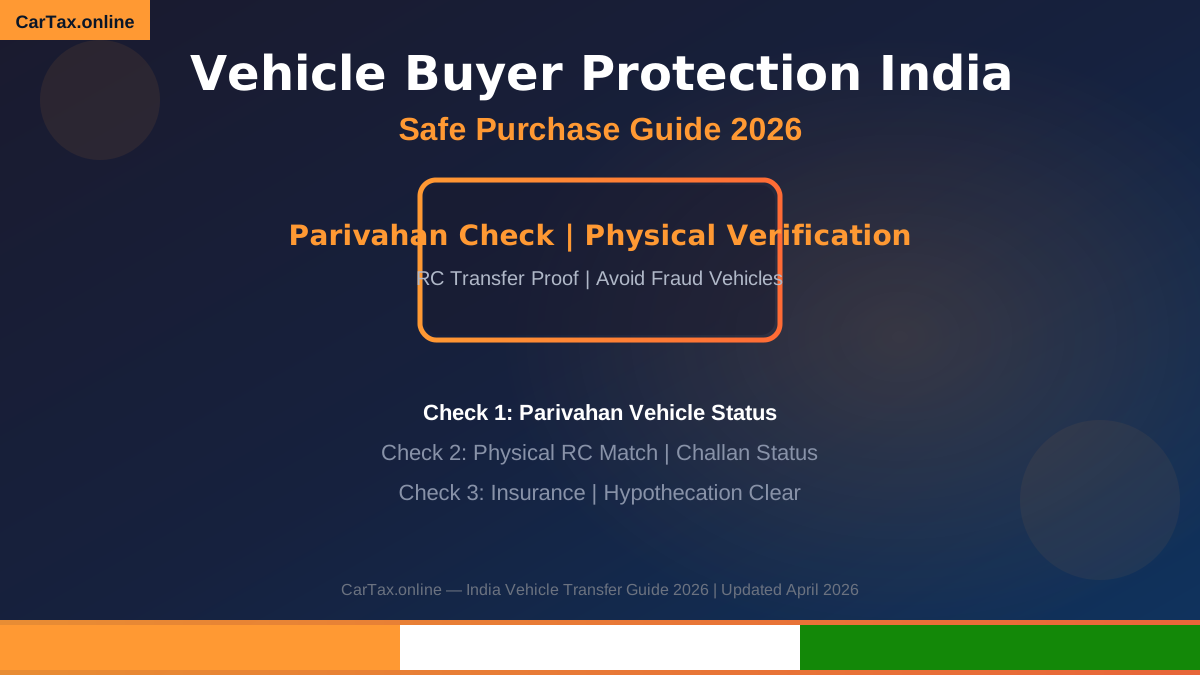
Buying a used vehicle in India carries risks that informed buyers can mitigate through proper verification and protection measures. From fraudulent documentation to hidden encumbrances, understanding how to protect yourself as a buyer is essential for a safe vehicle purchase. This comprehensive guide covers every protection measure, verification step, and legal recourse available to vehicle buyers in India for 2026.
Understanding Buyer Risks in Vehicle Purchase
Vehicle buyers in India face several risks that can result in financial loss, legal liability, or inability to complete the transfer.
Common Buyer Risks
The primary risks include: purchasing a vehicle with active loan (hypothecation), buying a stolen or fraudulent vehicle, paying for a vehicle that cannot be legally transferred, inheriting traffic violations and challans, receiving a vehicle with undisclosed accident damage, and legal disputes over ownership authenticity.
Why Verification Is Essential
Sellers may not disclose all issues. Independent verification protects buyers from relying solely on seller representations. Online verification tools make checking vehicle status easier than ever. A thorough verification process takes minimal time but provides significant protection.
Essential Verification Steps Before Purchase
Every buyer should complete these verification steps before finalizing a vehicle purchase.
Step 1: Parivahan Vehicle Details Check
Visit parivahan.gov.in and enter the vehicle registration number. Verify the displayed details match what the seller has provided: registered owner's name should match seller's ID, vehicle type, make, and model should match, chassis and engine numbers should match physical inspection, and registration date should be consistent with vehicle age.
Step 2: Hypothecation Status Check
On Parivahan, check the hypothecation status. If it shows "HYPOTHETICATED TO: [Bank Name]," the vehicle has an active loan. A vehicle with active hypothecation cannot be transferred without the bank's NOC. Either negotiate for the seller to clear the loan first, or arrange for loan takeover with bank approval.
Step 3: Physical Vehicle Verification
Verify the physical vehicle matches the documents: engine number stamped on the engine matches RC, chassis number on the vehicle frame matches RC, registration plates match the RC number, and overall condition is consistent with declared age and mileage.
Step 4: Insurance and PUC Verification
Check insurance validity and type on Parivahan or with the insurance company. Verify the PUC certificate is currently valid. These documents must be valid for the transfer to proceed.
Step 5: Challan Status Check
Check for pending traffic challans on the Parivahan portal or traffic police e-challan website. Outstanding challans should be cleared by the seller before transfer. As the new owner, challans issued after the transfer will come to you — verify none exist before purchase.
Verifying Seller's Identity
Confirming the seller's identity protects against fraud.
Identity Matching
The seller's ID proof must match the registered owner name on the RC. If the seller claims to be a representative of the owner (power of attorney), verify the authorization is legitimate. If the RC shows a different name entirely, the seller may not have the right to sell the vehicle.
Multiple Sellers
If there are multiple owners listed on the RC, all owners must consent to the sale. Obtain NOC from all owners or their authorized representatives. Any owner who does not consent can challenge the transfer later.
Death of Registered Owner
If the registered owner has died, the transfer must go through the legal heir succession process. Verify the seller's legal heir status through appropriate certificates. Purchasing from someone who is not the rightful legal heir can lead to disputes with other heirs.
Checking for Vehicle History
Understanding the vehicle's history helps assess its true condition and value.
Service History
Request the vehicle's service history from authorized service centers. Regular servicing indicates the vehicle has been well-maintained. Gaps in service records or servicing at unauthorized workshops may indicate neglect or heavy use.
Accident History
While complete accident history is not available through online portals, a thorough physical inspection can reveal signs of accident damage: mismatched paint colors or body panel gaps, welded seams on the frame, repairs to structural components, and uneven tire wear indicating alignment issues.
Ownership History
Check how many times the vehicle has changed ownership through the VAHAN database. Multiple ownership changes in a short period may indicate recurring problems. Also, first-owner vehicles typically have better maintenance records.
Protecting Against Fraud
Vehicle fraud takes several forms — knowing them helps you avoid becoming a victim.
Document Forgery
Forged documents include fake RCs, altered registration details, and fraudulent insurance certificates. Protect yourself by: verifying all documents against Parivahan records, checking document authenticity through official channels, and being suspicious of prices too good to be true.
Chassis or Engine Number Tampering
Some fraudsters tamper with vehicle identification numbers to disguise stolen vehicles. Always physically verify the chassis number stamped on the vehicle frame (usually visible through the windshield or under the dashboard) matches the RC.
Stolen Vehicle Sales
Stolen vehicles may be sold with forged documents. If the vehicle is later identified as stolen, the buyer loses both the vehicle and the money. Verify the vehicle is not listed as stolen through police verification services if available.
Odometer Tampering
Odometer fraud (rolling back kilometers) is common. Compare the displayed reading with service records and physical wear on the vehicle. Excessive wear inconsistent with the odometer reading indicates possible tampering.
Payment Protection
How and when you pay affects your protection as a buyer.
Avoid Full Payment Before Transfer
Do not make full payment before the transfer is complete or at least submitted at the RTO. Pay a deposit to show commitment, but reserve the majority of payment for after the transfer application is accepted. This protects you if the transfer cannot be completed.
Use Secure Payment Methods
Use bank transfers or checks rather than cash for large payments. Bank transfers create a paper trail that can be used as evidence if disputes arise. Avoid carrying large amounts of cash for vehicle purchases.
Payment Timeline
The recommended payment timeline is: small deposit when agreeing to purchase, remainder when documents are ready for RTO submission, and final balance when updated RC is received. Adjust based on trust level and circumstances.
Legal Protection Measures
Legal protections exist for vehicle buyers who are defrauded or receive defective vehicles.
Sale Agreement Protections
Include protective clauses in your sale agreement: declaration that vehicle has no encumbrances, statement of vehicle's actual condition and mileage, warranty clause (if seller offers any), consequences of misrepresentation, and dispute resolution mechanism.
Consumer Protection Act
The Consumer Protection Act provides remedies for buyers who receive defective vehicles or are victims of unfair trade practices. File complaints at district, state, or national consumer forums based on the claim value. Consumer forums can award compensation, replacement, or refund.
Criminal Remedies
If fraud or forgery is involved, file a criminal complaint with the police. Relevant sections of the Indian Penal Code include: Section 420 (cheating and dishonestly inducing delivery of property), Section 467 (forgery of valuable security), and Section 468 (forgery for purpose of cheating).
Due Diligence Checklist for Buyers
Complete this checklist before finalizing any vehicle purchase.
- RC verification: Details match Parivahan records
- Seller verification: Seller is the registered owner or authorized
- Hypothecation check: No active loan or seller will clear
- Challan check: No pending traffic violations
- Insurance check: Valid and type confirmed
- PUC check: Currently valid
- Physical inspection: Numbers match, no accident damage
- Test drive: Vehicle performs as expected
- Documents: All required documents available
- Payment: Secure method, staged payments
Post-Purchase Actions
After purchasing, take these steps to ensure complete protection.
Immediate Post-Purchase
Immediately after purchase: complete Form 29 if seller has not already submitted, complete Form 30 and submit at RTO, arrange insurance coverage if not transferred, and verify transfer status on Parivahan within 2 weeks.
Within First Month
Within the first month: confirm transfer is recorded in your name on Parivahan, update insurance with your details, renew any expiring documents (PUC, insurance), and retain all purchase documents securely.
Ongoing
Ongoing: continue monitoring for any challans issued to the vehicle, maintain insurance coverage, renew documents on time, and update address on RC if it changes.
Conclusion
Buyer protection during vehicle purchase in India requires thorough verification before committing to the purchase. Verify all vehicle details on Parivahan including ownership, hypothecation status, and challans. Physically verify the vehicle matches documents — chassis and engine numbers must match. Check insurance and PUC validity. Use secure payment methods and avoid full payment before transfer is submitted. Include protective clauses in the sale agreement. Understand your legal remedies under the Consumer Protection Act and criminal law. Complete the transfer at the RTO promptly after purchase and verify on Parivahan that ownership is recorded in your name. These steps provide comprehensive protection against the common risks in used vehicle purchases in India.