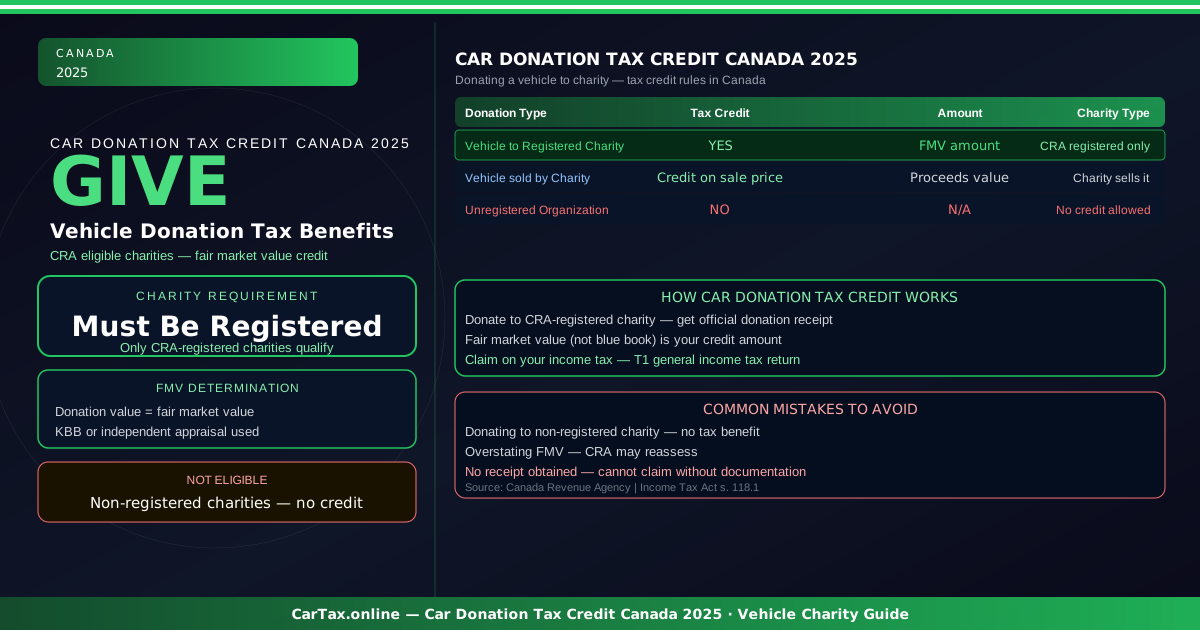
Donating a car to charity in Canada can generate a valuable charitable tax receipt, but the rules around car donation tax credits are specific and important to understand. Here is what you need to know about donating a car and getting a tax receipt in Canada for 2025.
How Much Is a Tax Receipt for Donating a Car in Canada?
The value of a charitable tax receipt for a donated vehicle depends on what the charity does with it:
Car Donation Tax Receipt Value — Canada 2025
| What Charity Does With Vehicle | Tax Receipt Value |
|---|---|
| Charity uses the vehicle | Fair market value (FMV) |
| Charity sells the vehicle | Lesser of FMV or sale price (minimum $500) |
| Vehicle worth under $500 | Actual sale price or $500 minimum |
Rules for Car Donation Tax Receipts
To receive a charitable tax receipt for donating a vehicle in Canada:
- The charity must be a registered Canadian charity
- You must receive the tax receipt in the same tax year as the donation
- The vehicle must be registered in your name at the time of donation
- You cannot claim a deduction for a vehicle you do not own
- The fair market value must be independently assessed if the vehicle is worth over $1,000
How to Get a Tax Receipt for Donating a Car
- Choose a registered charity: Verify the charity is registered with the Canada Revenue Agency
- Get a valuation: For vehicles worth over $1,000, get an independent fair market value assessment
- Transfer ownership: Complete the vehicle transfer documents with the charity
- Receive your receipt: The charity issues the official charitable receipt
- Claim on your tax return: Include the donation on your income tax and benefit return
Is Donating a Car Worth It for Taxes?
Donating a car can be worthwhile if:
- The vehicle would otherwise sell for a low amount
- The fair market value significantly exceeds the expected sale price
- You itemize deductions and can use the charitable deduction
Note that Canada does not have a mandatory minimum donation amount. However, charities typically only issue receipts for vehicles valued at $500 or more to cover administrative costs.
Donating vs Selling a Car — Tax Comparison
If you sell a car privately:
- Any gain may be taxable as a capital gain if the car appreciated in value
- Most personal vehicles depreciate, so there is typically no capital gain
- Private sale proceeds are not tax-deductible
Donating a car provides a charitable receipt based on fair market value, which may exceed what you would receive from a sale.
Disclaimer: This article is for informational purposes only. Car donation rules and fair market value assessments can be complex. Consult a tax professional and verify the charity's registration status before donating.